


Trauma Counselling
Trauma counselling provides compassionate, evidence-based support for women, individuals, and couples who are struggling with the effects of past or recent traumatic experiences. Trauma can impact every area of life, contributing to anxiety, PTSD, complex trauma, grief, relationship challenges, emotional overwhelm, chronic stress, low self-worth, difficulty trusting others, or feeling stuck in patterns that no longer feel helpful. Our trauma-informed therapists specialize in helping clients understand how trauma affects the brain, body, and nervous system while creating a safe, supportive environment for healing.
We offer trauma counselling using evidence-based approaches, including Eye Movement Desensitization and Reprocessing (EMDR) therapy, to help the brain safely process distressing memories, reduce emotional distress, strengthen nervous system regulation, and support lasting recovery. Whether you are healing from childhood trauma, relationship trauma, birth trauma, pregnancy loss, medical trauma, or other difficult life experiences, therapy is tailored to your unique story, goals, and pace. In-person trauma counselling is available in Saskatoon, with secure virtual trauma therapy offered to women, individuals, and couples throughout Saskatchewan, making specialized trauma-informed mental health care accessible wherever you are.

Crystal Petryk
MSW, RSW (SK)
Founder & CEO, Counsellor

Haley LaPointe
MSW, RSW (SK)
Counsellor
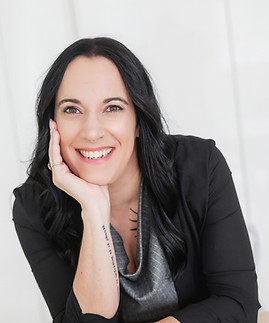
Alison Kawa
BSW, RSW (SK), MACP
Counsellor

Moha Chaturvedi
MACP, RCC, RP-Q
Couples Counsellor
Frequently Asked Questions (FAQs)
How do I know if I need trauma counselling?
If you're experiencing anxiety, panic attacks, nightmares, emotional numbness, difficulty trusting others, or feeling overwhelmed after a difficult or traumatic experience, trauma counselling may help. You don't need to have experienced a single major event to benefit. Therapy provides a safe, supportive space to process your experiences, build coping skills, and begin healing at your own pace.
What happens during trauma counselling?
Trauma counselling begins with getting to know you and understanding your experiences, goals, and current challenges. Your therapist works at a pace that feels safe and comfortable, helping you develop emotional regulation skills before exploring traumatic memories if and when you're ready. Sessions are collaborative, confidential, and focused on helping you regain a sense of safety, confidence, and control.
Can trauma counselling help with childhood trauma?
Yes. Childhood trauma can continue to affect relationships, self-esteem, emotional regulation, and mental health well into adulthood. Trauma counselling helps you understand how past experiences may be influencing your present life while developing healthier coping strategies. Healing is possible, and many women find they experience greater emotional resilience, healthier relationships, and improved well-being through therapy.
How long does trauma counselling take?
The length of trauma counselling varies for every person. Some women notice positive changes after a few sessions, while others benefit from longer-term support, especially when healing from complex or long-standing trauma. Your therapy plan is personalized to your needs, goals, and comfort level, allowing you to progress at a pace that feels manageable and sustainable.
Is trauma counselling confidential?
Yes. Trauma counselling is confidential, and protecting your privacy is a fundamental part of the therapeutic relationship. There are a few legal and ethical exceptions—such as situations involving immediate safety concerns or requirements under the law—which your therapist will explain during your first session. Creating a safe, trusting environment is essential for effective trauma healing.